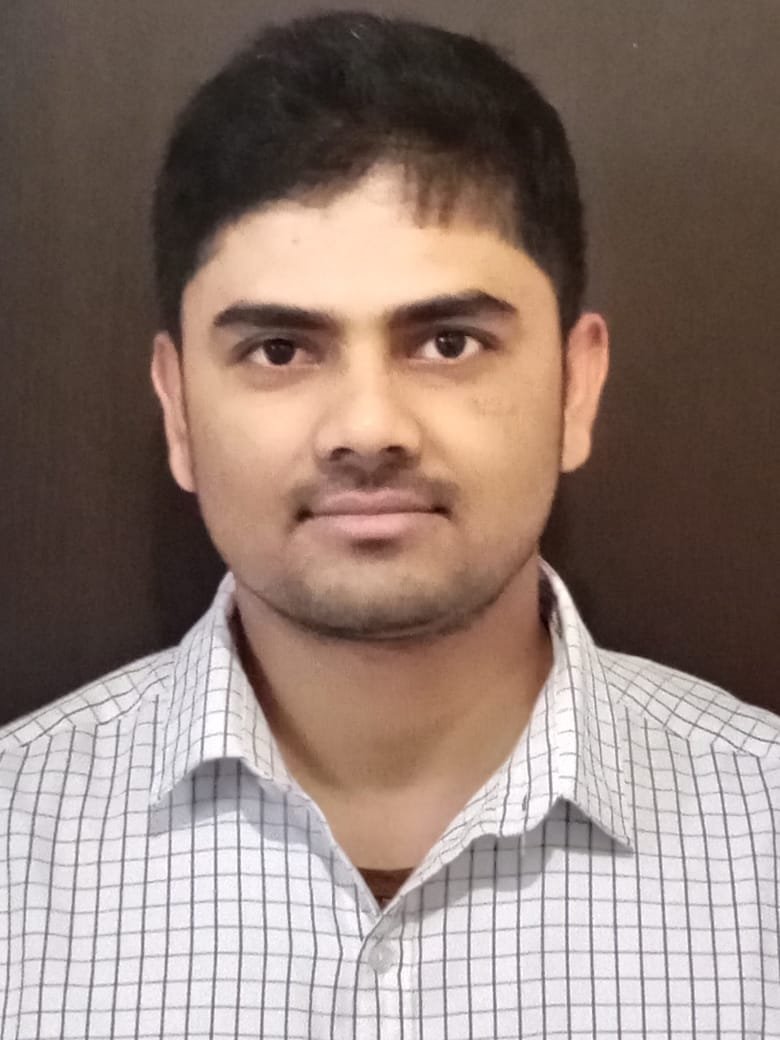
I work a 10-to-6 job in Kolkata. I report to my CEO. I have deadlines, team meetings, and a phone that doesn’t stop. And I’m preparing for UPSC CSE at the same time.
Not in theory. Actually doing it — 6 hours every day, split across two blocks, with no coaching institute, no study leave, and no shortcuts.
This article is my exact system. Not a framework I read somewhere. What I personally do, starting from 6 AM every morning.
First, the honest version of my situation
A lot of UPSC content online is written by either full-time students or coaching institutes selling them something. Neither is useful if you’re holding down a job.
Here’s what makes a working professional’s prep different from a fresher’s:
- You cannot study 12–14 hours a day. The math doesn’t work.
- Your mental energy isn’t flat across the day — work depletes it. When is a variable you must solve for.
- You lose Saturdays and sometimes Sundays to family, errands, and rest. Accept it early.
- You can’t afford to restart your study plan every time work gets busy. The system must be resilient.
Most UPSC study plans ignore all of this. They assume you have an empty calendar. Mine doesn’t.
The core constraint: 6 hours, two blocks
I have exactly 6 usable study hours in a typical day. That’s it. Here’s where they come from:
| Block | Time | Hours | What happens here |
|---|---|---|---|
| Morning | 6:00 AM – 9:00 AM | 3 hours | High-focus work: reading, notes, answer writing |
| Evening | 7:00 PM – 10:00 PM | 3 hours | Lower intensity: revision, current affairs, PYQ |
Total: 6 hours on a good day. 4–5 hours on a rough one. I’ve accepted this. I plan around it, not against it.
The morning block is the most important. I protect it like a deadline. No checking messages, no news, no social media before 9 AM. The phone is on Do Not Disturb. This block is where I do the work that requires actual thinking — reading NCERTs with notes, writing practice answers, working through PYQs.
The evening block is lower intensity. Revision, current affairs, light reading. Not the day’s hardest cognitive work.
What I study in each block : the actual weekly plan
Here’s how a standard week looks for me right now. This is my Phase 1 plan (foundation building). It’ll change as I move into mains-focused phases.
Morning block (6–9 AM): weekly rotation
| Day | Morning (6–9 AM) |
|---|---|
| Monday | UPSC CSE GS Paper I: History / Indian Society (NCERT + notes) |
| Tuesday | Geography Optional: Physical Geography (Leong + maps) |
| Wednesday | GS Paper II: Polity (Laxmikanth) |
| Thursday | Geography Optional: Human Geography (Majid Husain) |
| Friday | GS Paper III: Economy (Ramesh Singh + Economic Survey overview) |
| Saturday | Answer Writing Practice: 1 GS question + 1 Geography question (timed) |
| Sunday | Full revision of the week’s notes + current affairs catch-up |
Evening block (7–10 PM): daily routine
| Time | Activity |
|---|---|
| 7:00 PM | The Hindu reading: editorials + national/international news (30 min) |
| 7:30 PM | Current affairs notes: short, keyword-based (20 min) |
| 8:00 – 9:30 PM | Previous day’s material revision OR optional reading |
| 9:30 – 10:00 PM | PYQ analysis: 2–3 questions per session |
After 10 PM, I’m usually done with structured study. Whatever I do between 10 and 12 is light, re-reading notes, or just resting.
Why Geography as my optional
I chose Geography for two reasons, and neither is “it’s easy.”
First, it overlaps heavily with GS Paper I (Indian and World Geography) and GS Paper III (Disaster Management, Environment). A Geography optional chapter I study counts towards two papers. For a working professional with limited hours, this overlap is not a luxury — it’s a necessity.
Second, Geography rewards clarity of thought more than pure memory load. The syllabus is finite, the maps are learnable, and a well-structured answer with good diagrams scores consistently.
If you’re a working professional and you haven’t locked your optional yet, look hard at Geography before you commit to anything else.
The rule that protects the whole system
This is the single rule I refuse to break:
“No UPSC study during work hours. No work during study hours.”
This sounds obvious. It isn’t. The temptation to “just check one thing” is constant. When you’re genuinely invested in both your job and your prep, both will try to claim every available minute.
The wall exists because context switching is expensive. Every time you switch mental modes, you lose 15–20 minutes of cognitive ramp-up. With only 3 hours of focused morning prep, you cannot afford two of those switches.
What I do when the schedule breaks
Work projects spike. Weddings happen. Some weeks, I get 3 hours total instead of 6. Here’s the hierarchy I follow when I can only do one thing:
- Protect the optional — Geography is the highest-leverage use of limited time. If I can only open one book, it’s Leong.
- Read The Hindu editorially — 30 minutes minimum, even on worst days. Falling behind on current affairs is harder to recover from than falling behind on static GS.
- Skip answer writing before skipping content, you can catch up on practice, but you can’t answer-write what you haven’t studied.
- Never have two bad weeks in a row — one derailed week is recoverable. Two consecutive ones require a complete plan revision.
The goal is consistency over intensity. A 4-hour day every single day beats a 10-hour day once a week followed by three days of guilt and no prep.
Resources I actually use
No coaching. No test series yet (that comes later). My current stack:
| Subject | Resource | Format |
|---|---|---|
| History | NCERT Class 6–12 | Physical books + own notes |
| Indian Geography | NCERT + G.C. Leong | Physical book |
| Human Geography | Majid Husain | Physical book — slow read, diagram-heavy |
| Polity | M. Laxmikanth (Indian Polity) | Physical book: 2nd reading now |
| Economy | Ramesh Singh + Economic Survey highlights | Book + selective reading |
| Current Affairs | The Hindu (daily) + Vision CSE monthly | Daily + monthly |
| Environment | Shankar IAS Environment | PDF — supplementary |
| Ethics | Lexicon by Chronicle | Will begin in Phase 2 |
One book per subject. No parallel sources until you’ve finished the primary. This is the single most dangerous mistake I see from working professional aspirants — they have five sources open and haven’t finished one.
The mindset piece — not skipping it
There’s a particular kind of pressure that comes from preparing for UPSC while working that people who aren’t doing it don’t understand: you are always behind.
The full-time student studying 14 hours a day has covered more than you. They always will. Your timeline is longer. That’s the deal you accepted when you decided not to quit your job.
The comparison is the trap. The only number that matters is: are you further ahead than you were last month?
I track this monthly. Not daily, daily tracking creates anxiety without data. Monthly, I check: how many chapters covered, how many PYQs analyzed, how many answer writing sessions done. If the trajectory is right, the pace is fine.
You’re not competing with the full-time student right now. You’re competing with the version of you that gives up in month three.
Three things I’d tell myself from Day 1
- Start answer writing in month one, not month six. Bad answers written early are better than perfect answers written never. The skill takes a year to build — start the clock now.
- Get the optional right before you get everything else right. The optional paper is 500 marks. Geography chapter by chapter from Month 1, not “I’ll start optional after GS foundation.”
- The schedule you can sustain for 18 months is better than the schedule that looks impressive for 3 weeks. Build something boring and repeatable.
What’s coming next on this blog
This is the first article here, and it’s also the most personal one I’ll write. Everything else will be more tactical — specific topic notes, answer writing breakdowns, Geography chapter analyses, PYQ pattern reviews.
If you’re a working professional preparing for UPSC and you found this useful, start by reading the Start Here page: it has the full context of what this blog covers and what to read next.
If you have a specific question about how to fit prep around your work schedule, write to me via the Contact page. I’ll either reply directly or turn it into an article.
नौकरी भी। तैयारी भी।